Automotive engineering & restoration
1983 BMW E30 restoration
Rebuilding a classic
The 1983 BMW 3 Series E30 is one of the most celebrated platforms in automotive history — and one of the most demanding to restore. This project began as a curiosity and grew into a full mechanical resurrection, pursued alongside my brother with the goal of bringing a neglected chassis back to its original condition.
Before touching a single bolt, I spent weeks in deep research — studying the E30's mechanical architecture, consulting automotive specialists, and sourcing period-correct tools and materials. The planning phase was as rigorous as the fabrication itself, reflecting the same methodology I apply to every engineering challenge.
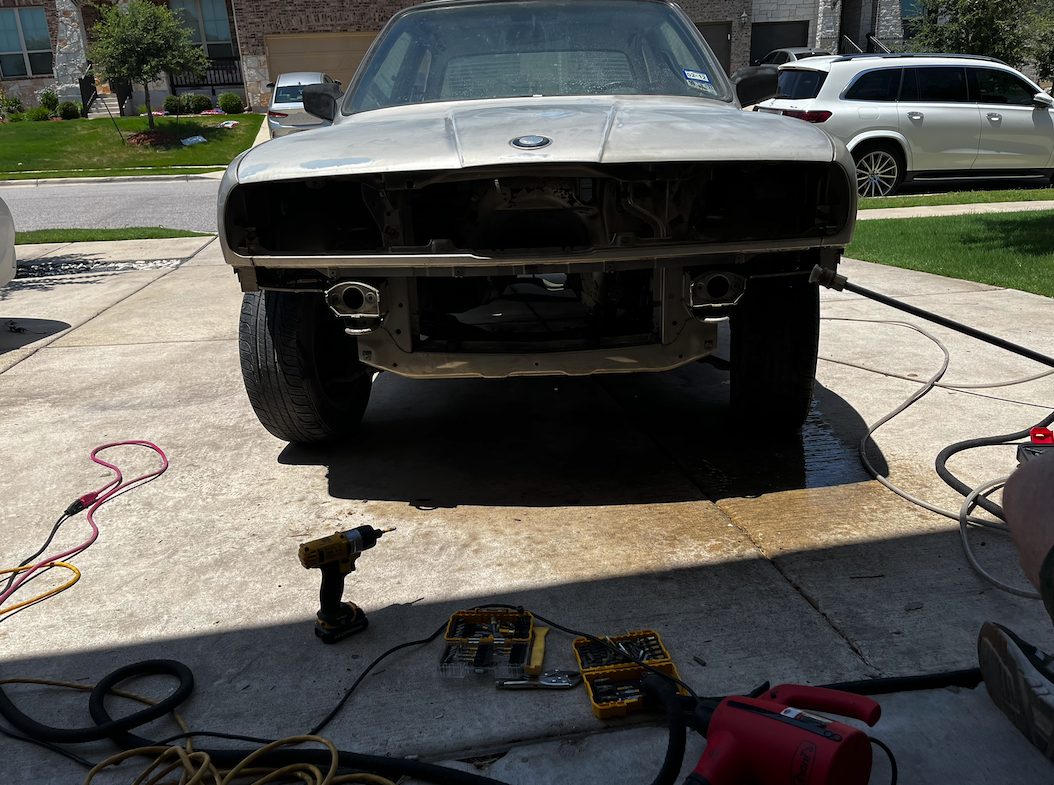
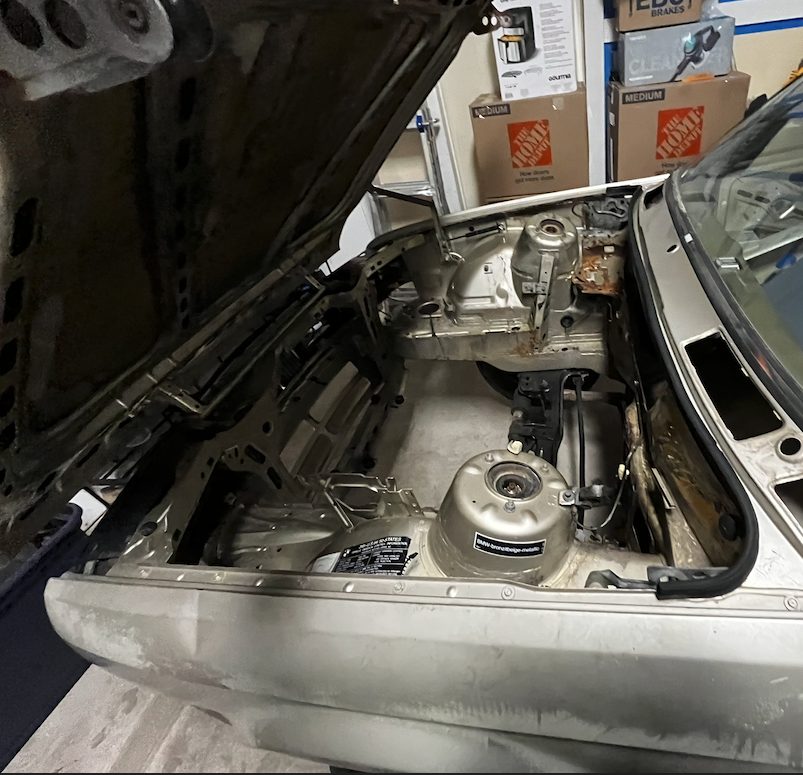
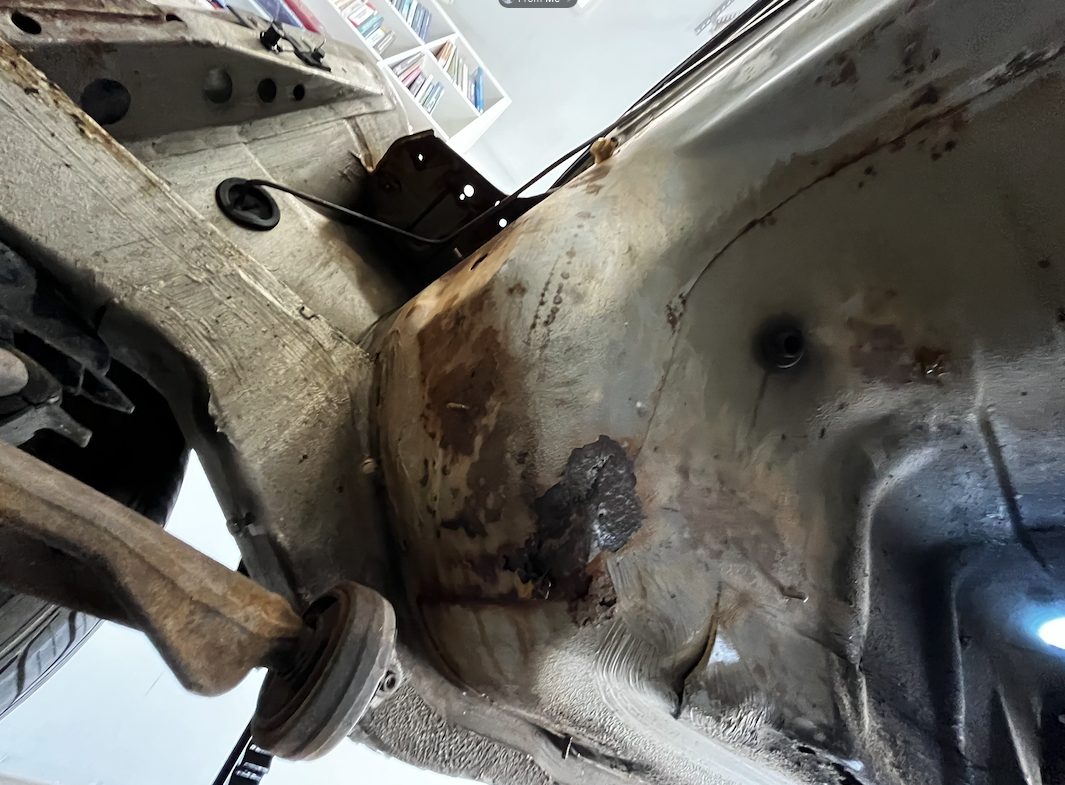
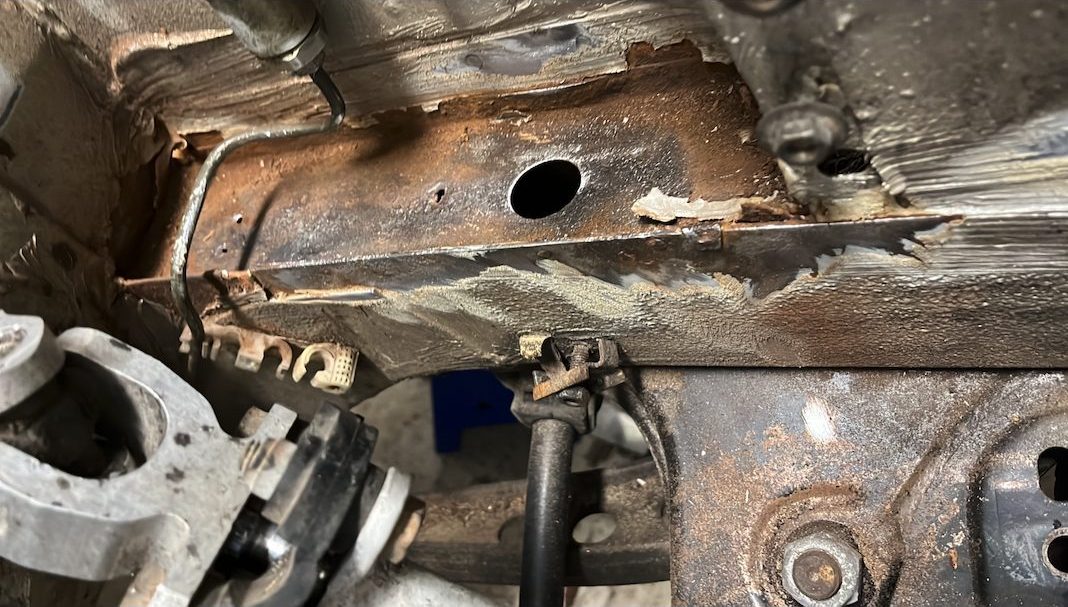
The car came to us "mostly finished" — but the fresh paint told a different story once disassembly began. Beneath it, rust had been packed with filler rather than repaired. We ground out the rot, cut and welded patch panels where the metal was gone, and went over the chassis seam by seam to expose the true condition of the car's structural and mechanical systems. What we found demanded serious intervention: compromised chassis sections, significant rust penetration, and worn drivetrain components. Each issue became an opportunity to learn.
Key contributions
- Explored mechanical and machine engineering through extensive research, mentorship, and hands-on application — ultimately launching a full restoration project.
- Led technical research, planning, and resource acquisition by studying vehicle models, consulting automotive specialists, and sourcing tools and materials for the refurbishment.
- Disassembled the vehicle to evaluate mechanical and structural condition, ground out rust, cut and welded patch panels, and reinforced compromised chassis sections.
- Methodically repaired and reassembled key mechanical components including suspension, drivetrain, and interior systems.
- Gained deep hands-on expertise in mechanical systems, machine engineering principles, and precision-based restoration methodology.
This project isn't just about a car — it's a living classroom. Every seized bolt and corroded panel has taught me something that no textbook could: the patience required for precision work, the discipline of systematic problem-solving, and the satisfaction of watching something broken become functional again.
In progress — active restoration